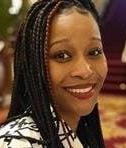
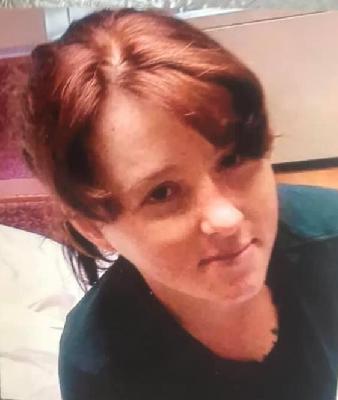
Clarissa Russell was a 47-year-old Black woman whose life was violently taken in the early morning hours of a summer day in Baltimore, Maryland. Public records and memorials that might have offered a glimpse into her life—her family, her work, her passions—are not readily found, leaving a painful silence where a personal story should be. What is known is that she was a member of a community, and her sudden death left a void for those who knew her.
The incident that ended Clarissa’s life occurred on Tuesday, June 3, 2014. At approximately 6:26 a.m., she was found at 3423 Reisterstown Road. She had been shot. Emergency services responded to the scene, but the injuries she sustained were fatal, and she was pronounced dead. The location is in the city's Park Circle-Reisterstown district, a major thoroughfare that cuts through several West and Northwest Baltimore neighborhoods. In the early morning light of that Tuesday, the street became a crime scene, another marker in a year that saw a significant number of homicides in the city.
The Baltimore Police Department immediately launched a homicide investigation into Clarissa Russell's death. Detectives would have canvassed the area for potential witnesses who might have seen or heard something unusual around the time of the shooting. They would have also searched for physical evidence and any available surveillance footage from nearby businesses or residences that could offer a lead. However, public reports on the case have been scarce. No information has been released about a possible motive for the attack, and no potential suspects or persons of interest have ever been publicly identified. One homicide tracker noted the absence of a police surveillance camera at the nearest intersection, a detail that can sometimes complicate such investigations.
For more than a decade, Clarissa’s case has remained unsolved. The initial flurry of police activity has long since subsided, and without new leads, the investigation has grown cold. For her family and friends, the lack of answers or justice only compounds the tragedy of their loss. The passage of time does not diminish the hope that someone, somewhere, holds the key piece of information that could break the case open and finally bring a measure of closure. Her murder is one of many in Baltimore from that year that remain unresolved, a statistic that represents a collection of individual tragedies and grieving families still waiting for accountability.
As of today, the investigation into the murder of Clarissa Russell is inactive but remains open. The Baltimore Police Department continues to hold the file, awaiting any new evidence or witness testimony that might emerge. The silence surrounding her case is a stark reminder of the challenges law enforcement faces in solving violent crimes and the enduring pain experienced by communities affected by such violence. Without a suspect, an arrest, or a conviction, the full story of what happened to Clarissa Russell on that June morning remains untold, and justice for her remains unattained.