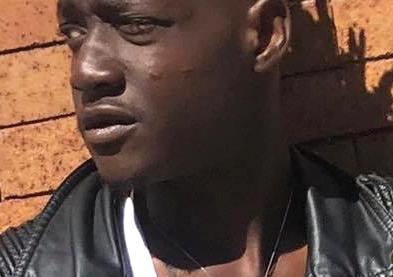
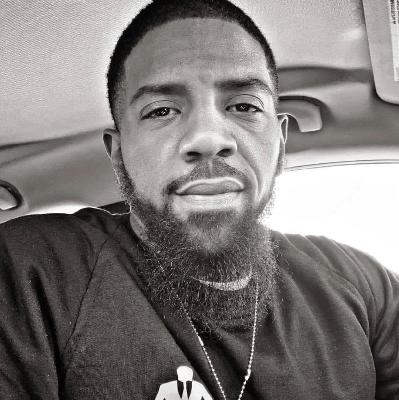
On a Thursday evening in a year that would become one of the most violent in Baltimore’s history, Tayvon Wilson Scott’s life was cut short. The 34-year-old Black male was killed on September 24, 2015, a day that found the city still reeling from months of escalating violence and unrest. The incident occurred just before 7 p.m. in the 2400 block of Loyola Northway, a residential street in the city’s Northwest district, flanked by brick homes and apartment buildings. Details of what transpired on that block have never been publicly released by authorities. It is not known whether Mr. Scott was shot, stabbed, or died by other means, who he was with, or what circumstances led to his death.
The year 2015 was a brutal and defining period for Baltimore. The city was grappling with the aftermath of the death of Freddie Gray, a 25-year-old Black man who died from injuries sustained in police custody in April. Gray’s death sparked widespread protests, civil unrest, and a dramatic spike in homicides that began in May and continued through the end of the year. By the time Tayvon Scott was killed, the city was on its way to recording 344 homicides, the highest per-capita murder rate in its history and a figure second only to the 353 killings of 1993, when the city’s population was significantly larger. The surge in violence strained the resources of the Baltimore Police Department and sowed fear in many communities.
The investigation into the killing of Tayvon Wilson Scott was handled by Baltimore Police Department homicide detectives. In the turbulent environment of 2015, investigators were overwhelmed by the sheer volume of cases. Many killings from that period were characterized by a lack of witness cooperation, driven by fear of retaliation or a deep-seated mistrust of law enforcement. Detectives were often left with little physical evidence and few leads to pursue. The public record contains no information about potential suspects, persons of interest, or a possible motive in Mr. Scott’s case. No announcements of arrests have ever been made.
Without an obituary or public statements from loved ones, very little is known about who Tayvon Scott was as a person. The public record is silent on his family life, his work, his passions, and how he was remembered by those who knew and loved him. He is more than a statistic in a violent year, but the details that would paint a fuller picture of his life have remained private, lost in the passage of time and the shadow of countless other tragedies that unfolded across the city. His death left a family to grieve in private, without the closure that justice might bring.
More than a decade later, the homicide of Tayvon Wilson Scott remains unsolved. His case is one of hundreds from that period that have gone cold, leaving a legacy of unanswered questions and unresolved pain for families across Baltimore. The investigation is presumably inactive, awaiting any new information that might provide a path forward for detectives. As of November 2026, no one has been held accountable for his death. The Baltimore Police Department continues to seek information on its unsolved cases, and the public is urged to come forward with any details, no matter how insignificant they may seem.