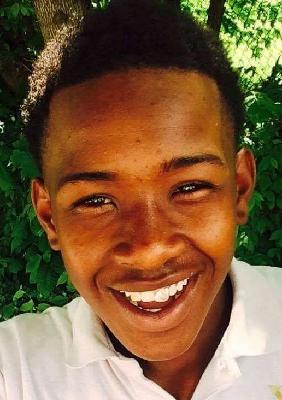
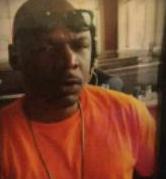
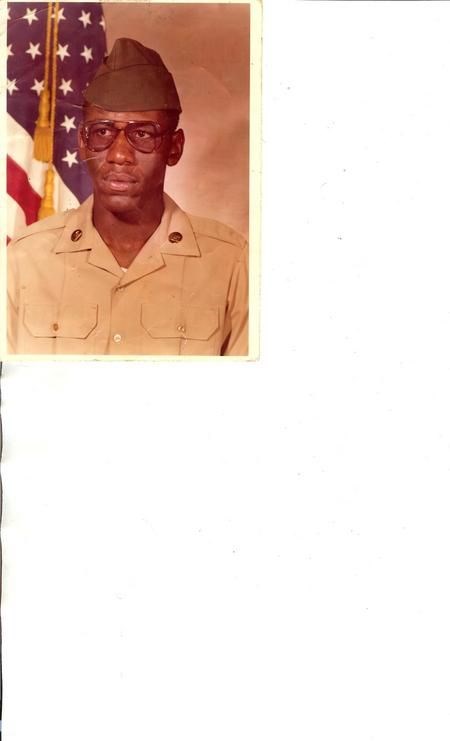
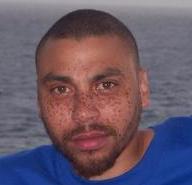
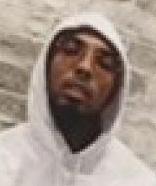
Damien Rone, 41, a Black male, was killed in a predawn stabbing in Northeast Baltimore on September 9, 2016, in the area of East 29th Street near Fenwick Avenue. Just after 2 a.m., a citizen in distress flagged down a patrol officer and urgently guided him to the 1800 block of East 29th Street. There, the officer found Rone wounded and bleeding from multiple stab wounds to his back. Medics rushed him to a nearby hospital, but he did not survive.
In the hours after the attack, the block around Clifton Park turned tense and hushed, with neighbors describing the shock of seeing police lights wash over the rowhomes and learning that a man from the neighborhood had been taken so suddenly. People who knew Rone spoke of him as someone recognized on the street and in the community, and the death left behind the kind of grief that pulls friends and neighbors together in the days that follow, when candles and quiet conversations take the place of the normal rhythm of the block.
Detectives treated the killing as a homicide from the start, canvassing the area and looking for anyone who had been outside or awake when the violence erupted. Investigators soon indicated they believed the attacker had been captured on surveillance footage nearby. As the case moved from the frantic first response into a longer search for answers, police released still images taken from that footage, hoping someone would recognize the man and come forward. The suspect shown in the images was described as having a distinctive tattoo on the front of his neck that appeared to spell “Angel,” a detail investigators emphasized as a key identifier.
Authorities asked anyone with knowledge of what happened that night to share information, including tips about the person in the surveillance images and any leads on where he might be found. Public updates tied to the released suspect images focused on identifying the man and tracing his movements, but those same updates did not announce an arrest or name a charged suspect. In the material made public about the case, the suspect remained wanted, and the investigation was presented as continuing, with detectives still seeking the information that could turn the images into an identification and, ultimately, accountability.