Crime Solvers Central
302 Cases Solved. Advancing justice for missing persons, unsolved homicides, unidentified and unclaimed remains.

Case Description

Any updates on this case? Let us know!
Summary based on 6 sources
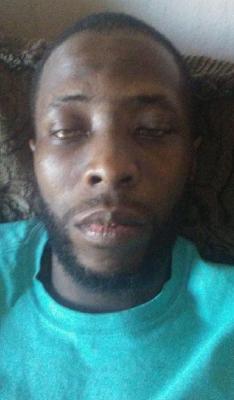
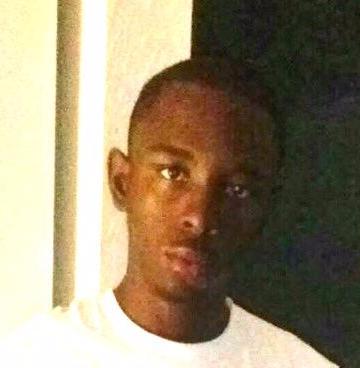
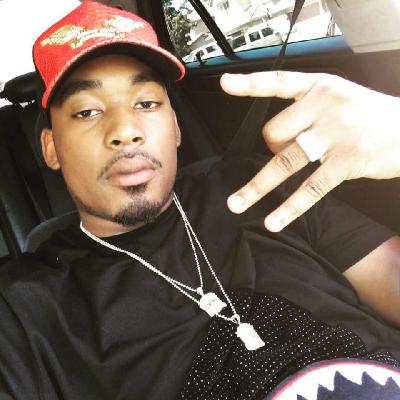
Charles Anthony Burns, a 21-year-old resident of Antioch, California, tragically lost his life on May 10, 2013, in an incident involving Concord police officers. On that fateful night, Concord police had set up a surveillance operation and obtained a search warrant for Burns' home in connection with drug sales offenses. Around 9 p.m., Burns left his house and got into a car driven by his friend, Bobby Lawrence. As they drove away, an officer in an unmarked police minivan attempted to block their path, but Lawrence continued driving, hitting the van and several parked cars. Eventually, Lawrence stopped the car, and Burns exited, running across Buchanan Road with officers in pursuit.

During the chase, two officers saw Burns reach into his waistband and grab a metallic object. Believing it to be a weapon, the officers opened fire, striking Burns multiple times. Burns fell to the ground and rolled from his side onto his back. A police K-9 at the scene perceived his movement as aggressive and bit Burns on the shoulder and arm. Burns was pronounced dead at the scene, and an autopsy revealed he had been shot ten times, including in the head and face.

The incident sparked significant controversy and led to a coroner's inquest in Contra Costa County. The jury in the inquest ruled that Burns died "at the hands of another," but did not determine civil or criminal liability. The inquest revealed that Burns was unarmed at the time of the shooting, which further fueled public outcry and demands for justice from his family and community. Family members and friends of Burns attended the inquest, many wearing blue T-shirts with his photo, and expressed their hope that a federal civil rights lawsuit filed against Concord police and the Contra Costa County District Attorney's Office would bring justice.

The lawsuit, filed by Burns' family, alleges that the police maliciously executed Burns, failed to render aid, and conspired with the district attorney's office to cover up key facts in the case. The family's attorney, Peter Johnson, criticized the inquest as a forum for police to justify their actions rather than a genuine fact-finding process. The case remains a poignant example of the ongoing debate over police use of force and accountability, with Burns' family continuing to seek answers and justice for their son's untimely death.