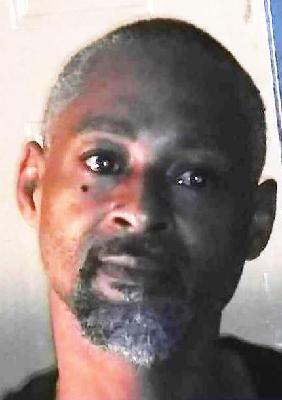
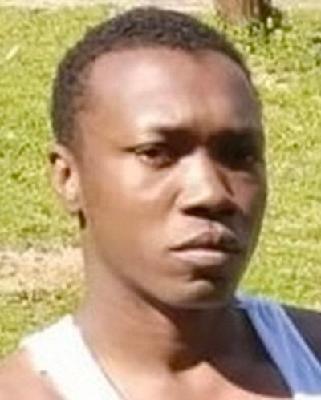
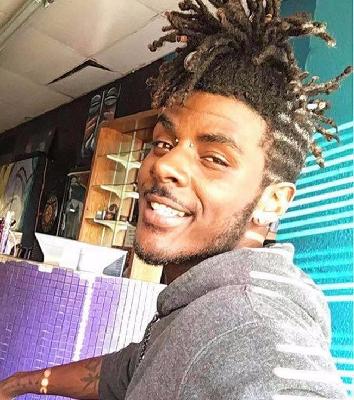
Herbert Stanley Burk III, a 49-year-old U.S. Navy veteran, was a man remembered for the small, joyful moments he shared with his family. His child fondly recalled how he would spontaneously declare a "Coin club meeting!" during a television show, a cherished memory of a beloved hobby they shared. Born on January 9, 1947, his life was tragically cut short on December 29, 1996, in Elmwood, Louisiana, a suburb of New Orleans. His death would become entangled in one of the most disturbing and complex criminal investigations in the region's history, leaving his family with unanswered questions for decades.
The mid-1990s were a time of great fear in the New Orleans area, as the bodies of numerous victims, mostly women with histories of drug use and prostitution, were being discovered in the desolate swamps and canals surrounding the city. Between 1991 and 1996, at least 26 such victims were found, many strangled or drowned, their bodies often left in the water for extended periods. This series of killings, attributed to a possible serial killer dubbed the "Storyville Slayer," created a palpable sense of anxiety throughout the community. A multi-agency task force, including the FBI and several local sheriff's departments, was formed in 1995 to investigate the string of homicides that stretched across multiple parishes.
The investigation eventually zeroed in on a former taxi driver and freelance photographer with a long criminal record and a history of drug addiction: Russell Ellwood. Born in 1951, Ellwood was a transient who was familiar with the city's underbelly of street life and the sex trade. He first came onto the police radar in 1994 when he was found parked near a location where two victims' bodies had been discovered. His suspicious behavior during that encounter made him a person of interest.
In March 1998, the investigation culminated in Ellwood's arrest. He was charged with the second-degree murders of two women, Cheryl Lewis, 30, and Delores Mack, 40, whose bodies had been found near Hahnville in February 1993. The case against him was largely circumstantial, but investigators were bolstered by statements from fellow inmates who claimed Ellwood had confessed to killing women while he was incarcerated on unrelated charges in Florida.
The legal proceedings that followed brought only partial resolution. Prosecutors were forced to drop the murder charge related to Delores Mack after it was discovered that Ellwood had a solid alibi, placing him in Ohio at the time of her death. However, the state moved forward with the charge for the murder of Cheryl Lewis. During the trial in 1999, several witnesses testified about Ellwood's violent tendencies. The jury ultimately found him guilty of second-degree murder.
On August 17, 1999, Russell Ellwood was sentenced to life in prison without the possibility of parole. Although authorities had publicly named him as a suspect in as many as 15 of the two dozen or more slayings that terrified the region, the conviction for Cheryl Lewis's murder was the only one ever secured against him. The task force was eventually dissolved, and the other cases, including the homicide of Herbert Stanley Burk III, remained officially unresolved. While Burk's death occurred during the same turbulent period and was considered part of the wider investigation, no charges were ever filed in his case, leaving his death a lingering mystery amid a dark chapter in Louisiana's history.