Crime Solvers Central
302 Cases Solved. Advancing justice for missing persons, unsolved homicides, unidentified and unclaimed remains.

Case Description

Any updates on this case? Let us know!
Summary based on 4 sources
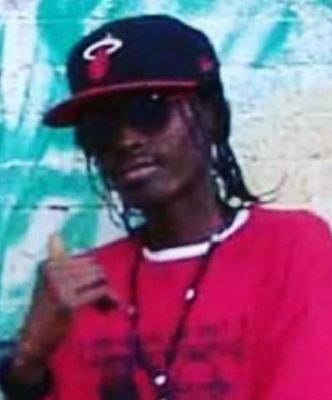
In the biting cold of a New York winter, the city shivered through a year that would be remembered for its brutal violence. It was 1991, and in the bustling, gritty streets of the five boroughs, a record number of lives were being lost to a surge in homicides. In the midst of this unforgiving landscape, a 16-year-old boy named Quran Horton was navigating the complex world of being a teenager in a city on edge. Like many of his peers, he was drawn to the vibrant and expressive culture of hip-hop, a culture that dictated not just the music you listened to, but the clothes you wore. One particular garment had become the ultimate status symbol on the streets: the eight-ball leather jacket.

These jackets, with their bold colors and the iconic black and white eight-ball on the back, were more than just clothing; they were a declaration. Retailing for hundreds of dollars, they were a sign of affluence and style, a coveted item that could elevate a teenager's social standing. Quran Horton owned one of these prized possessions. On the night of January 10, 1991, he wore his to a party in his neighborhood of Bushwick, Brooklyn. The jacket was a statement, but in the volatile atmosphere of early 90s New York, it was also a target.

As the party wound down and Quran began his journey home through the familiar streets of Bushwick, he was confronted. The object of the aggressors' desire was the jacket on his back. According to police reports, when Quran stood his ground and refused to surrender his coat, he was shot. The life of a 16-year-old boy was extinguished on a cold city street, his death becoming another grim statistic in a year that saw a staggering number of homicides in New York City.

The investigation into Quran Horton's death was launched by a police force already overwhelmed by the sheer volume of violent crime. In 1991, the city's murder rate was reaching its peak, and detectives were stretched thin, grappling with a flood of cases. The motive in Quran's case was tragically clear, a senseless act of violence for a piece of clothing. His death was part of a disturbing trend that winter, where numerous youths were assaulted, and some, like Quran, were killed for their sought-after jackets.

Decades have passed since that frigid January night, and the vibrant, dangerous energy of early 1990s New York has receded into the city's history. The eight-ball jacket, once a symbol of status and a catalyst for violence, is now a retro fashion item, a piece of nostalgia from a bygone era. For the family and friends of Quran Horton, however, the jacket represents an irreplaceable loss. His case remains one of many unsolved homicides from that violent period in the city's history. The individuals who took his life were never brought to justice, leaving a wound that time has not healed. The story of Quran Horton is a poignant reminder of a time when a fashion trend turned deadly and a teenage boy paid the ultimate price for a piece of clothing.