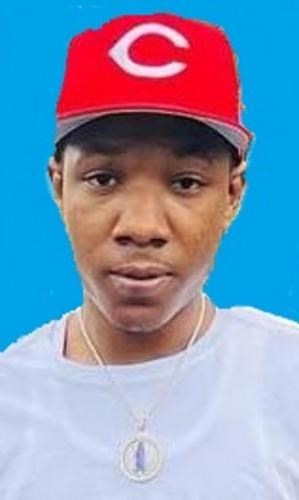
After spending 15 years in prison, Derwin Handy was filled with optimism about reconnecting with the family he had become a stranger to. Following his release in 2010, the 58-year-old Black man cherished the chance to be present for his niece and nephew. "He was so happy to be around us," his niece, Derika Jackson, recalled. "He was just excited. He didn't realize his family loved him." Handy, who never married or had children, grew up in the Desire Housing Project as one of six siblings. He celebrated his niece's graduation from Southern University at New Orleans and was one of the first to visit when his nephew welcomed a son. His family remembered him as someone who always made them laugh.
On the evening of February 29, 2016, Handy’s life was cut short. Shortly before 8 p.m., New Orleans police found his body on the pavement near the intersection of North Rampart and Tricou streets in the Holy Cross neighborhood. He had been shot at least once in the neck. Paramedics transported him to a waiting ambulance, but his injuries were fatal.
In his neighborhood, Handy was known as a kind and helpful presence. Residents said he lived in a corner house and could often be seen on his porch, offering to help neighbors carry groceries or do handyman work. "He was a very sweet man," one neighbor said. "He would see me pull up and say, 'Neighbor, you got it? You need help?'"
The investigation uncovered differing views of Handy’s life. While he was seen as a good neighbor, another resident told reporters they had often seen suspicious activity, possibly related to drugs, at Handy’s house. This resident wondered about the limited choices available to a man who had been in prison. Handy’s family, however, said they were unaware of any drug activity at their uncle’s home.
No suspects have been publicly identified in the killing of Derwin Handy, and no arrests have been made. The case remains unsolved.