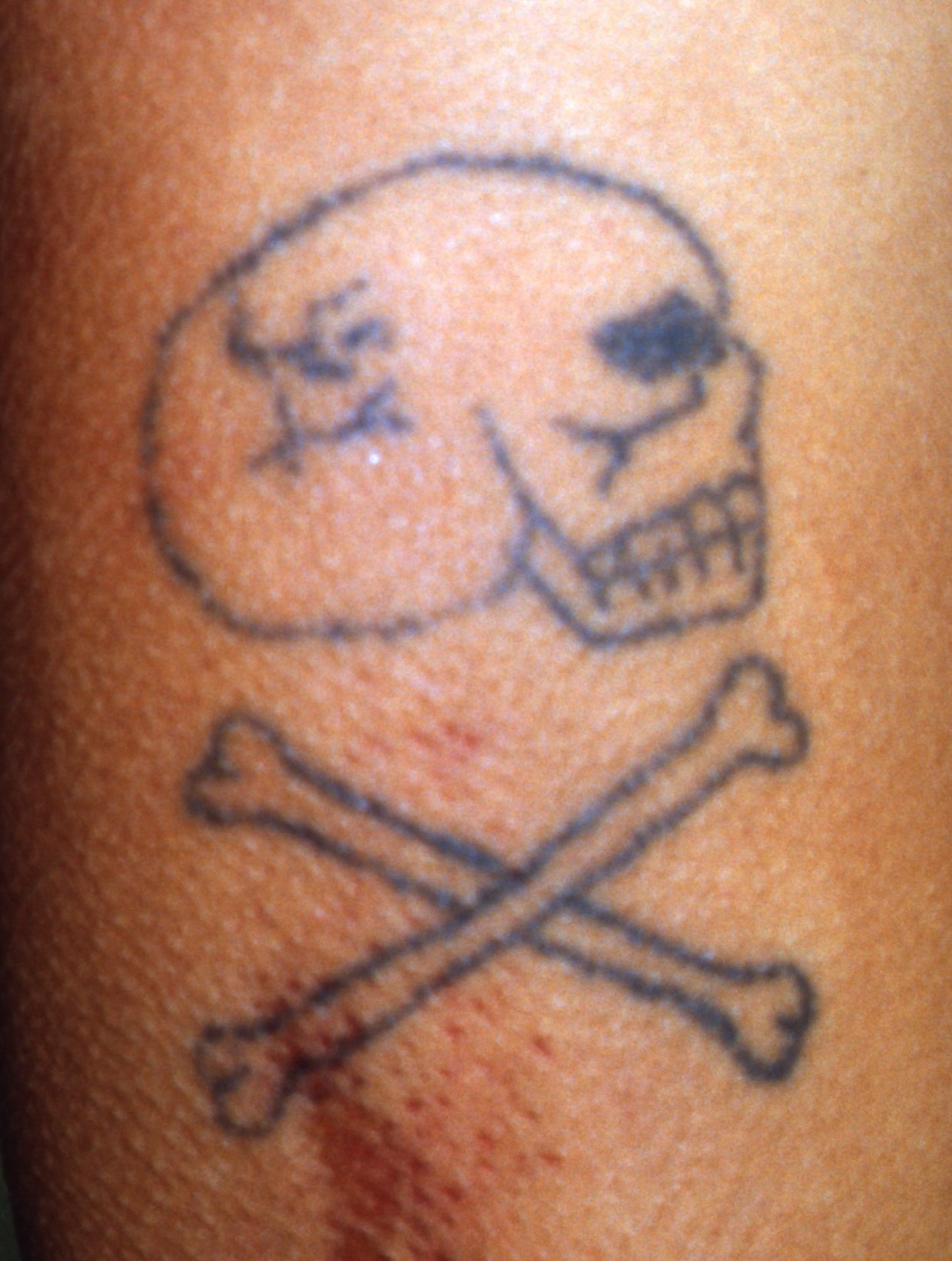
In the summer of 1981, the life of Ronald Terry Curby, a 40-year-old man from Oklahoma, took a bewildering turn into a mystery that has spanned decades. On June 19th, the marketing manager for Applied Automation attended a party in Tulsa. After the event, he set out to make the familiar journey back to his home in Bartlesville. Known to his friends and family as Terry, he was a reliable and respected professional who had been with his company for 20 years. It was highly uncharacteristic for him to deviate from his plans without informing anyone. The last time anyone saw Ronald Curby was as he was leaving that party, intending to drive home. He never arrived, and what happened in the hours that followed remains unknown.
The initial and most puzzling discovery in the case came early the next morning when another employee from Applied Automation stumbled upon Ronald's car. The vehicle was found parked and undisturbed along U.S.
Highway 75, just a couple of miles south of the Washington-Tulsa County line. The car was locked and appeared to be in perfect working order, with no signs of a struggle or any clues as to its driver's whereabouts. An extensive search of the surrounding 10-square-mile area was conducted by authorities, but yielded no evidence of what might have happened to Ronald. Investigators pursued various leads, including interviewing other party attendees, some of whom underwent polygraph tests, but these efforts did not produce any significant breakthroughs.
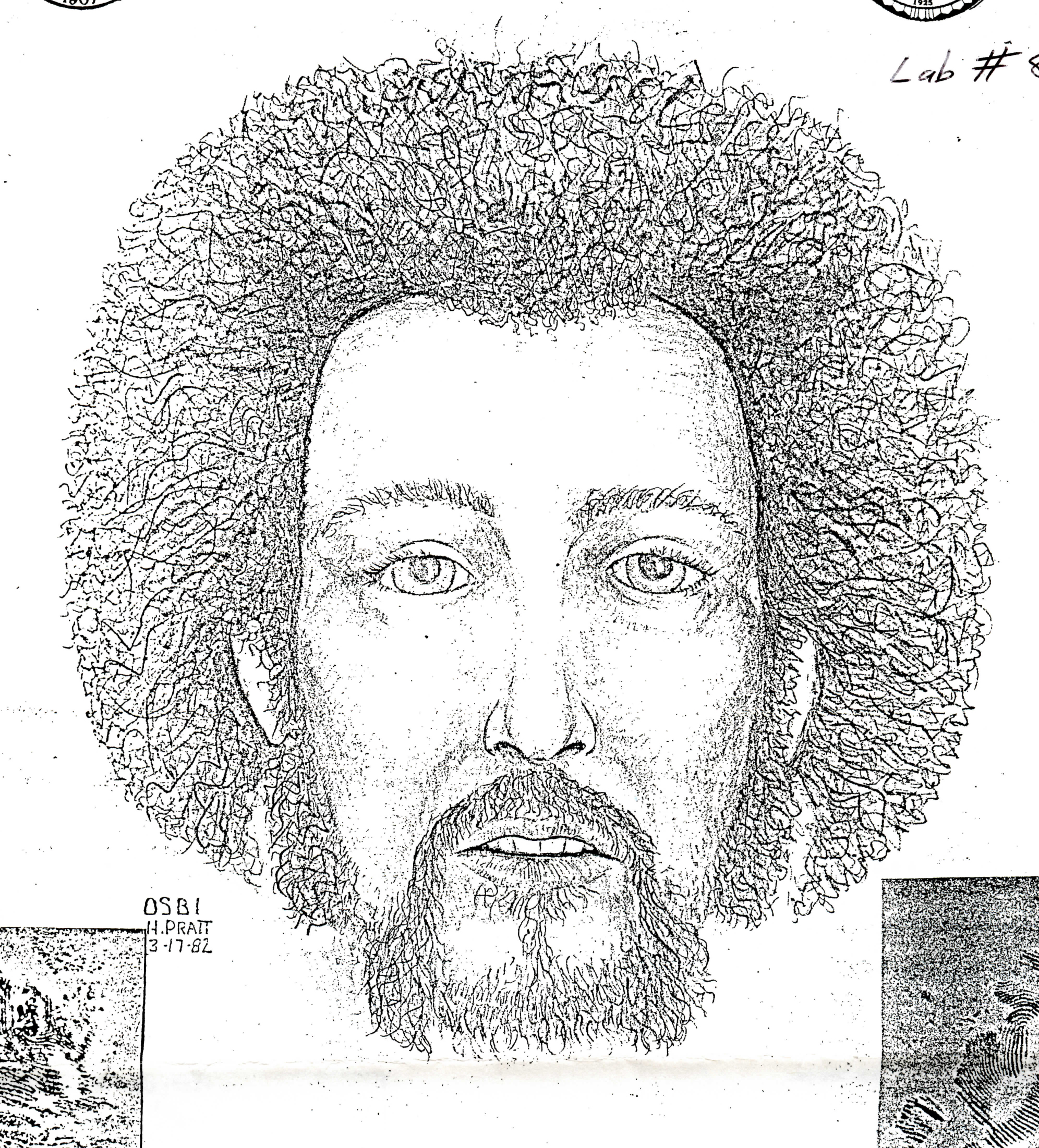
A potentially crucial piece of information emerged from a long-haul truck driver who came forward after hearing reports of Ronald's disappearance. The trucker reported seeing Ronald's car parked on the side of the highway between 2:30 and 2:45 a.m. He also saw a second vehicle parked behind it and witnessed what he described as two men getting into the second car. This sighting remains one of the few leads in the case, though attempts to gather more detailed information from the witness, even through hypnosis, were unsuccessful. Ronald's family noted that he walked with a limp due to having polio as a child and often wore a leg brace, a distinctive feature that they hoped would make him more easily recognizable. Despite the years that have passed and the efforts of investigators, the disappearance of Ronald Terry Curby is a cold case, leaving his loved ones without answers and the community with a lingering sense of unease about the man who vanished on his way home.Last Seen: Jun 19, 1981