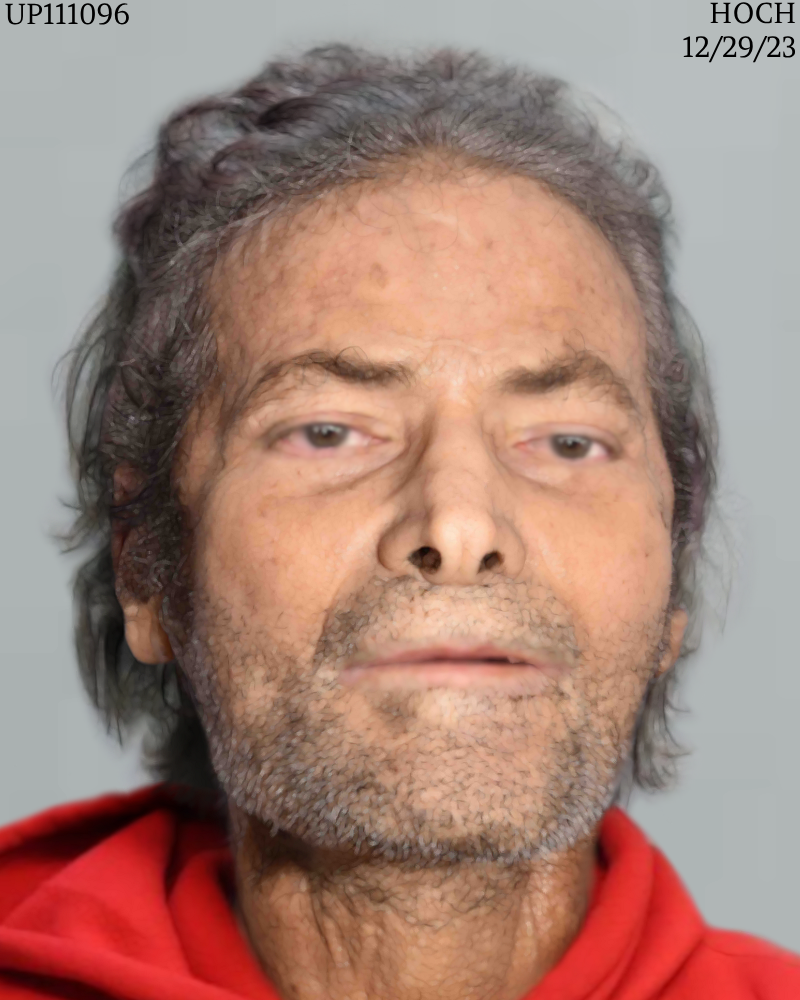
In the autumn of 2021, concern grew for 65-year-old Paul Saulnier, a resident of Wakefield, Massachusetts, who was last seen near his home on Lowell Street over the weekend of October 23rd and 24th. His disappearance prompted an urgent response from local law enforcement and the issuance of a Silver Alert, a public notification system for missing persons with cognitive impairments. Saulnier, who lives with dementia, had a known history of wandering from his residence. His family and authorities were aware that in the past, he had traveled to nearby communities such as Chelsea, Arlington, Everett, Reading, and Melrose. This history added a layer of complexity and a wider search area for those attempting to locate him. The circumstances of his disappearance were unsettling, as he had left his home without anyone's knowledge, leaving his loved ones to wonder where he might have gone.
At the time he went missing, Paul Saulnier was described as a white male, standing at five feet seven inches tall and weighing approximately 140 pounds. He had balding gray hair, hazel eyes, and wore a beard and mustache. A particularly notable and distinguishing physical characteristic was that he was missing his right index finger. When he was last seen, it is believed he was wearing what was described as casual work wear, possibly consisting of a plaid shirt or jacket, jeans, and work boots. These details were widely circulated by the Wakefield Police Department and the Massachusetts State Police in the hopes that the public could assist in locating him safely. The community was asked to be vigilant and report any potential sightings to the authorities, holding onto hope for his safe return.
The search for Paul Saulnier involved public appeals for information and the dedicated efforts of law enforcement. The release of his description and the specific details of his possible attire were crucial elements in the public awareness campaign. The fact that he was known to wander to several specific towns gave a potential, albeit broad, path to his possible whereabouts. The case is a poignant reminder of the challenges faced by individuals with dementia and their families. Despite the efforts to locate him, the days following his disappearance were filled with uncertainty. The overview of this case highlights a vulnerable member of the community who vanished, prompting a significant response aimed at his safe recovery, with a particular focus on his known history of travel to surrounding areas and his distinct physical features.Last Seen: Oct 23, 2021