Crime Solvers Central
302 Cases Solved. Advancing justice for missing persons, unsolved homicides, unidentified and unclaimed remains.

Case Description

Any updates on this case? Let us know!
Summary based on the NamUs case record (MP8551) and 6 other sources
Felecia Rochell Johnson, a 21-year-old woman, was last seen on February 3, 1994, in Fort Worth, Texas. She was known to struggle with a drug addiction, particularly to crack cocaine, and had a history of disappearing for short periods. However, she always returned or contacted her family, which made her extended disappearance concerning. On the day she went missing, she left her home, leaving behind her infant daughter. Her last known interaction was with police officers who stopped her along with two men in a stolen vehicle. While the men were arrested, Felecia was released. After this, she never made contact with her family again, and she was officially reported missing in March 1994.

Felecia had several distinguishing characteristics, including red hair, brown eyes, a cesarean section scar, and dentures for her two upper front teeth. Her family believes that she may have left initially to obtain drugs, but her sudden and complete disappearance is out of character. Despite the passage of time, her case remains unsolved, and her family believes she is likely deceased. Her two children were raised by their grandparents following her disappearance.

Last Seen: Feb 3, 1994

Possible Unidentified Matches (1)

Unidentified remains cases whose details are consistent with this person, ranked by how closely they compare. Fields that are unknown in either case are left out of the score.

77%Possible
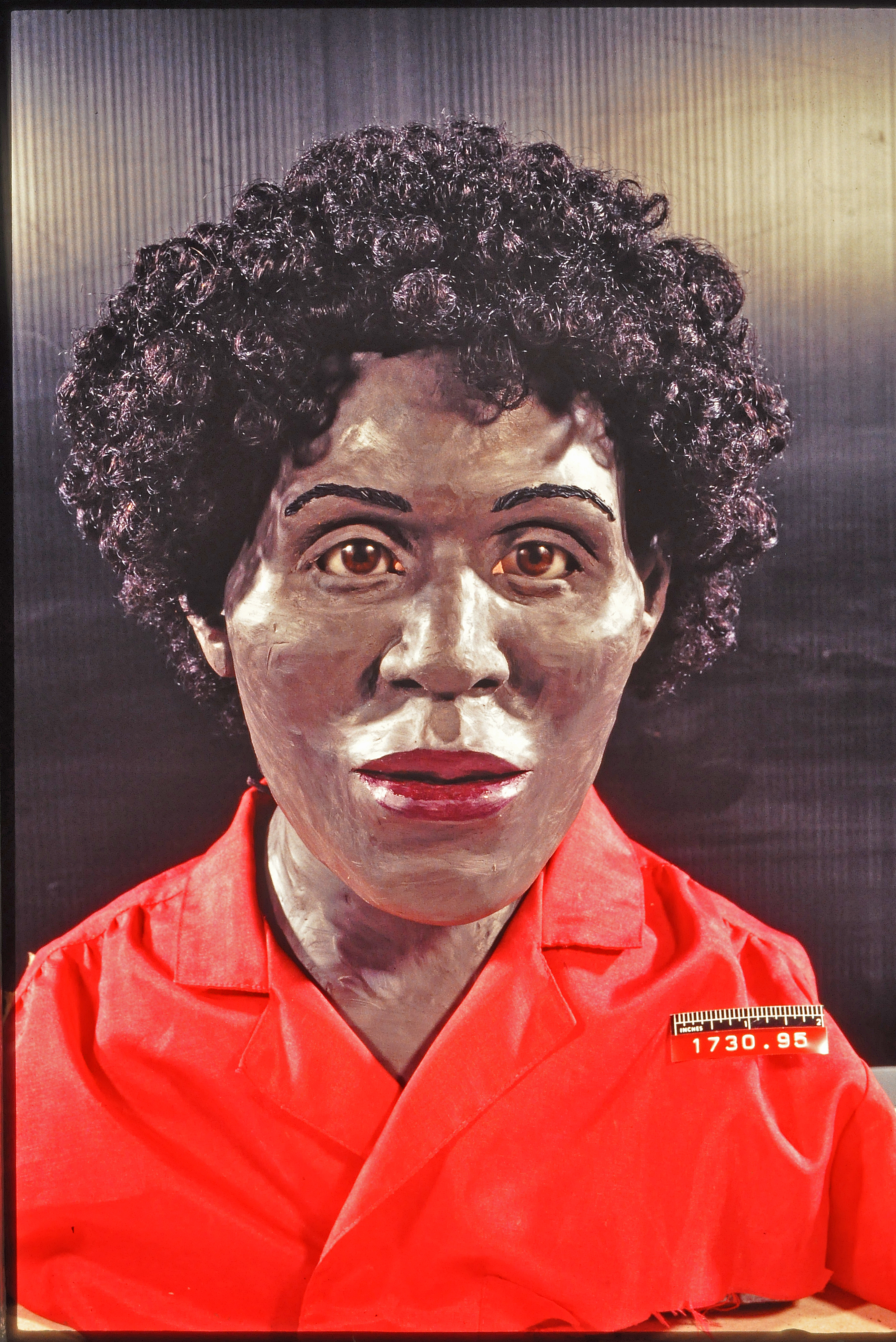
Jane Doe — Dallas, Texas - unidentified case UP3730
Jane Doe — Dallas, Texas
UP3730 • Found Jun 6, 1995
View case
Sex ✓Female
Age 81%Est. 24–35 vs 21 when missing
Race 100%Black
Location 94%32 mi away, same state
TimingFound 16 months after last seen
Height 100%5'6" vs 5'4"–5'6"
Weight 43%90 lb vs 140–150 lb
Hair 15%Black vs Red

These comparisons are generated automatically from public NamUs case data and are not confirmed identifications. Only DNA, dental or fingerprint comparison by investigators can confirm an identity. If you believe two cases are connected, contact the agency handling the unidentified case.

Unidentified photos are blurred because many are post-mortem. Tap a photo to reveal it.