Crime Solvers Central
302 Cases Solved. Advancing justice for missing persons, unsolved homicides, unidentified and unclaimed remains.

Case Description

Any updates on this case? Let us know!
Summary based on the NamUs case record (MP8027) and 6 other sources
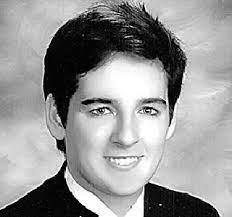
Dean Merlin Lewis, a 42-year-old man from San Francisco, went missing on September 25, 2003, after being last seen entering Hamlin Beach State Park in Hamlin, New York. Lewis was known to travel extensively along the East Coast, often staying in state park campgrounds. He lived out of his 1987 Volkswagen van, which was equipped with a sleeping area and kitchen. On September 29, 2003, park authorities discovered his van abandoned at Hamlin Beach, but there was no sign of Lewis.

At the time of his disappearance, Lewis was financially supported by a trust fund, and though he led a solitary lifestyle, he remained in contact with his family. His sudden lack of communication was highly unusual, raising concerns. Despite an investigation by the New York State Police, no leads have surfaced, and his case remains unsolved. Authorities continue to seek any information that may help locate him.

Last Seen: Sep 25, 2003

Possible Unidentified Matches (2)

Unidentified remains cases whose details are consistent with this person, ranked by how closely they compare. Fields that are unknown in either case are left out of the score.

76%Possible
John Doe — Woodbridge, New Jersey
UP1497 • Found Jan 17, 2005
View case
Sex ✓Male
Age 100%Est. 35–50 vs 42 when missing
Race 100%White
Location 48%266 mi away
TimingFound 16 months after last seen
Height 100%5'10" vs 5'11"
Weight 100%175 lb vs 175 lb
Hair 100%Brown vs Brown
76%Possible
John Doe — Rochester, New York
UP161609 • Found Jul 8, 2026
View case
Sex ✓Male
Age 100%Est. 45–55 vs 42 when missing
Race 100%White
Location 98%19 mi away, same county
TimingFound 23 years after last seen
Height 84%5'3"–5'9" vs 5'11"

These comparisons are generated automatically from public NamUs case data and are not confirmed identifications. Only DNA, dental or fingerprint comparison by investigators can confirm an identity. If you believe two cases are connected, contact the agency handling the unidentified case.