Crime Solvers Central
302 Cases Solved. Advancing justice for missing persons, unsolved homicides, unidentified and unclaimed remains.

Case Description

Any updates on this case? Let us know!
Summary based on the NamUs case record (MP31638) and 8 other sources
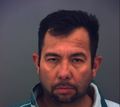
Ricardo Martinez, a 30-year-old man from El Paso, Texas, was last seen on October 30, 2015. He lived in a foster home on Picasso Drive and was last spotted leaving for a walk, a routine he often enjoyed. He frequented businesses near Vista Del Sol Drive and Zaragoza Road, where he would talk to employees. On the day of his disappearance, Ricardo was wearing a red windbreaker, a green t-shirt, khaki pants, and blue sneakers.

Ricardo, who had a mental disability and required medication, was capable of communicating and knew the phone numbers of his mother, sister, and caretaker. His disappearance has raised concerns, and foul play is suspected, though no concrete leads have emerged. Despite ongoing investigations, Ricardo has not been found, and his case remains unsolved.

Authorities urge anyone with information to come forward, as his family and investigators continue searching for answers.

Last Seen: Oct 30, 2015

Possible Unidentified Matches (2)

Unidentified remains cases whose details are consistent with this person, ranked by how closely they compare. Fields that are unknown in either case are left out of the score.

77%Possible
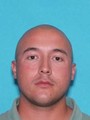
John Doe — Santa Teresa, New Mexico
UP134704 • Found Jul 19, 2024
View case
Sex ✓Male
Age 100%Est. 20–30 vs 30 when missing
Race 100%White
Location 99%12 mi away
TimingFound 9 years after last seen
Height 75%5'0"–5'8" vs 5'7"–5'8"
Hair 60%Brown vs Black
76%Possible
John Doe — Fort Bliss, Texas
UP81371 • Found Mar 18, 2021
View case
Sex ✓Male
Age 100%Est. 30–40 vs 30 when missing
Race 60%Hispanic
Location 100%3 mi away, same county
TimingFound 5 years after last seen
Height 100%5'7"–6'0" vs 5'7"–5'8"

These comparisons are generated automatically from public NamUs case data and are not confirmed identifications. Only DNA, dental or fingerprint comparison by investigators can confirm an identity. If you believe two cases are connected, contact the agency handling the unidentified case.