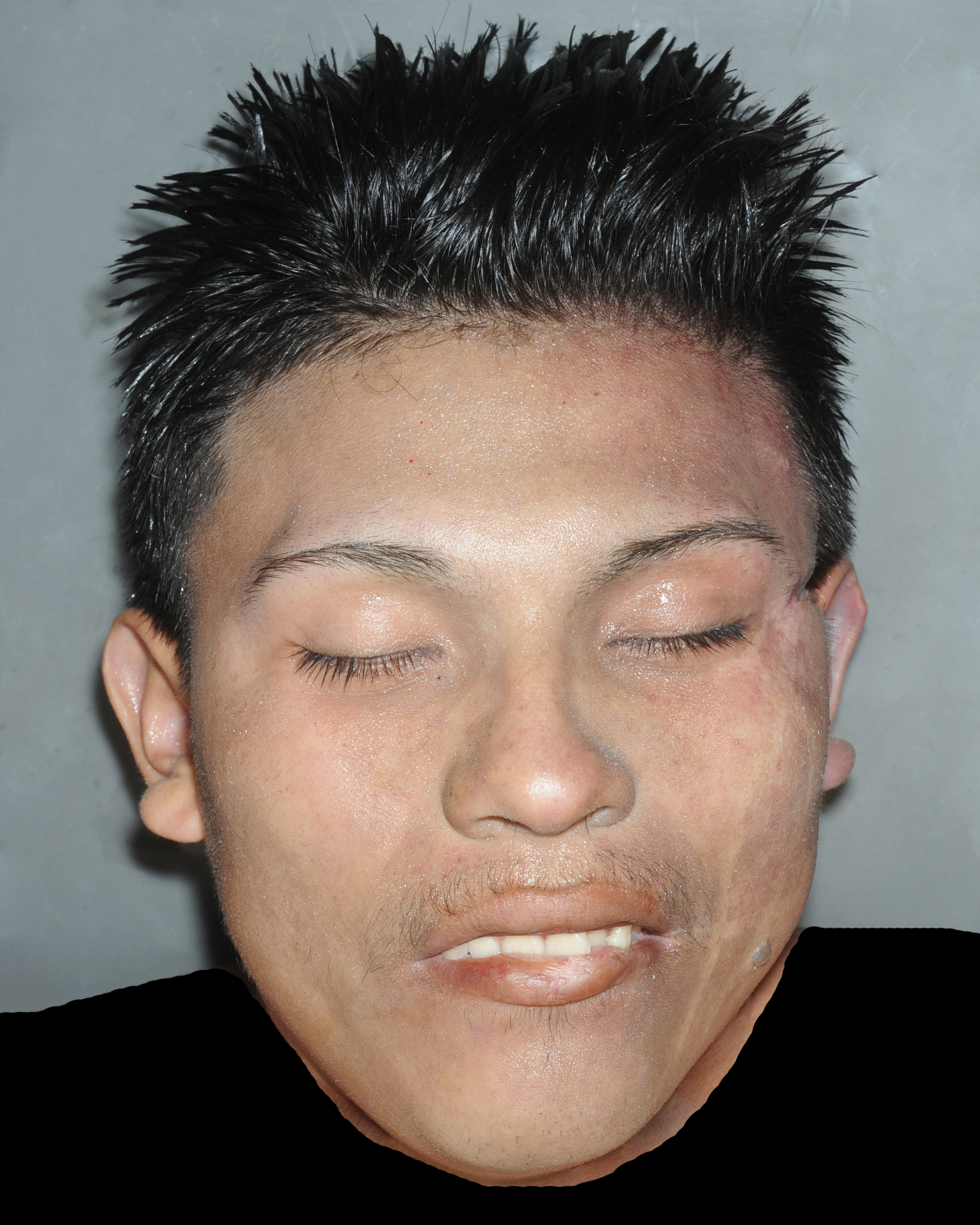
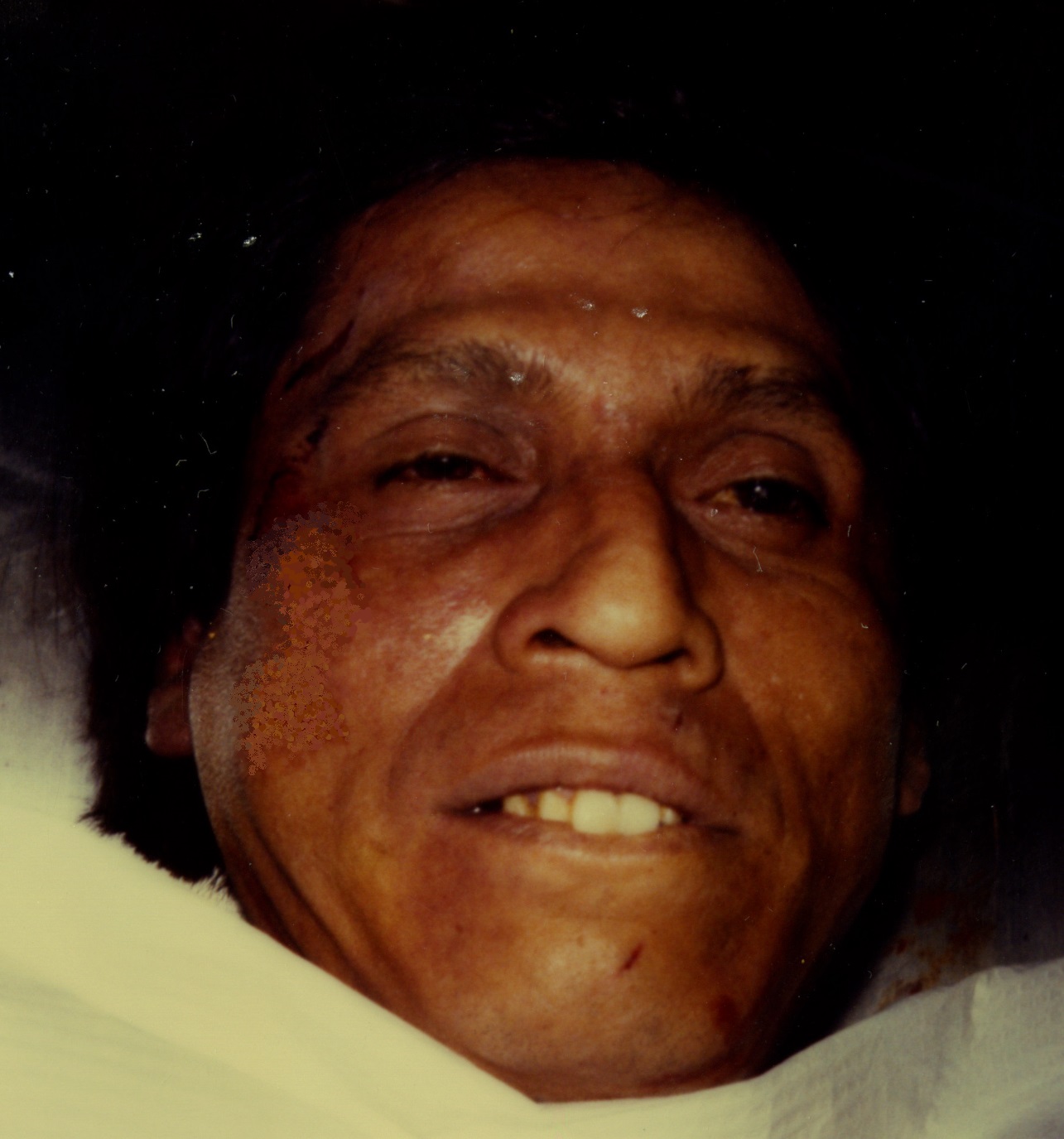
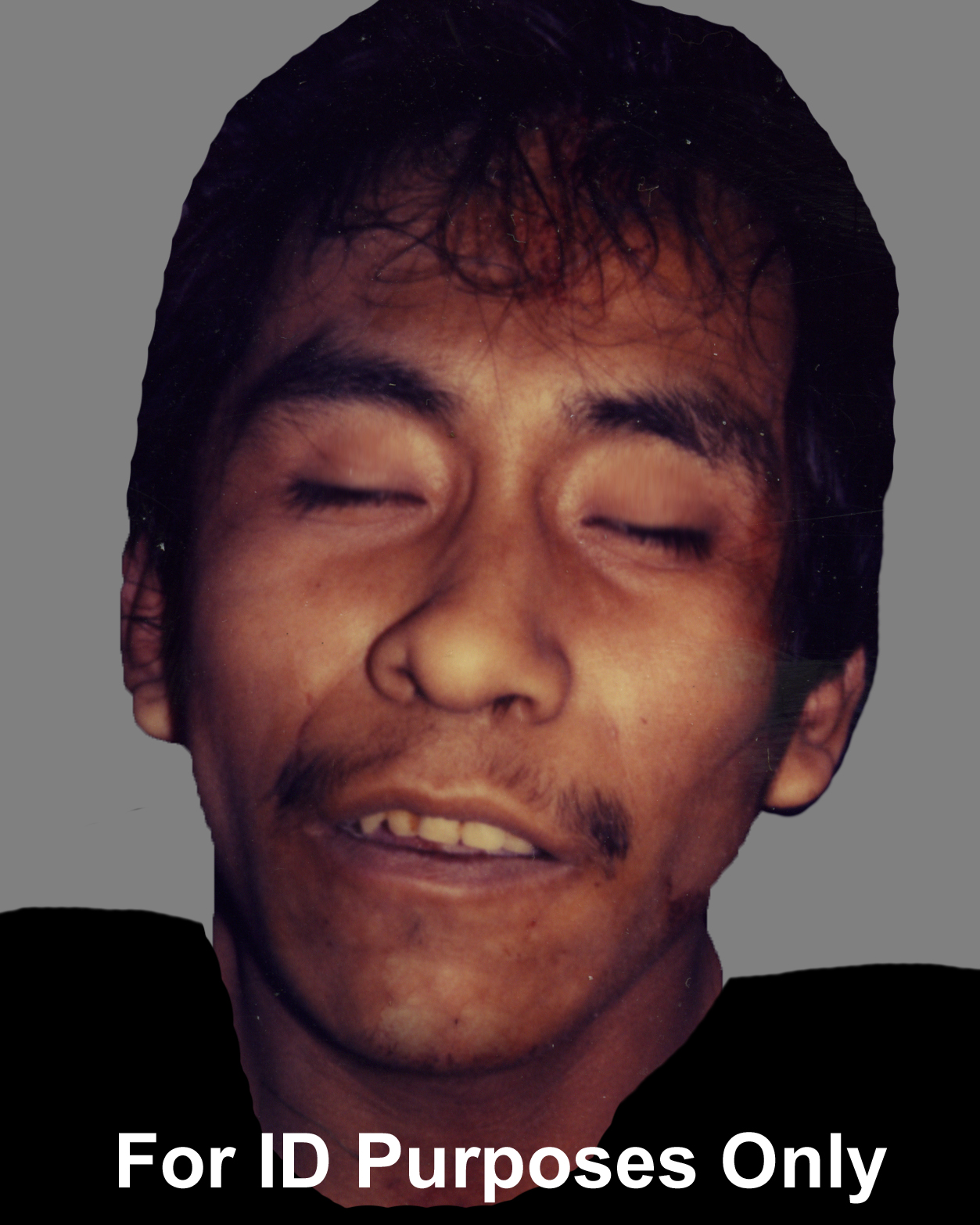
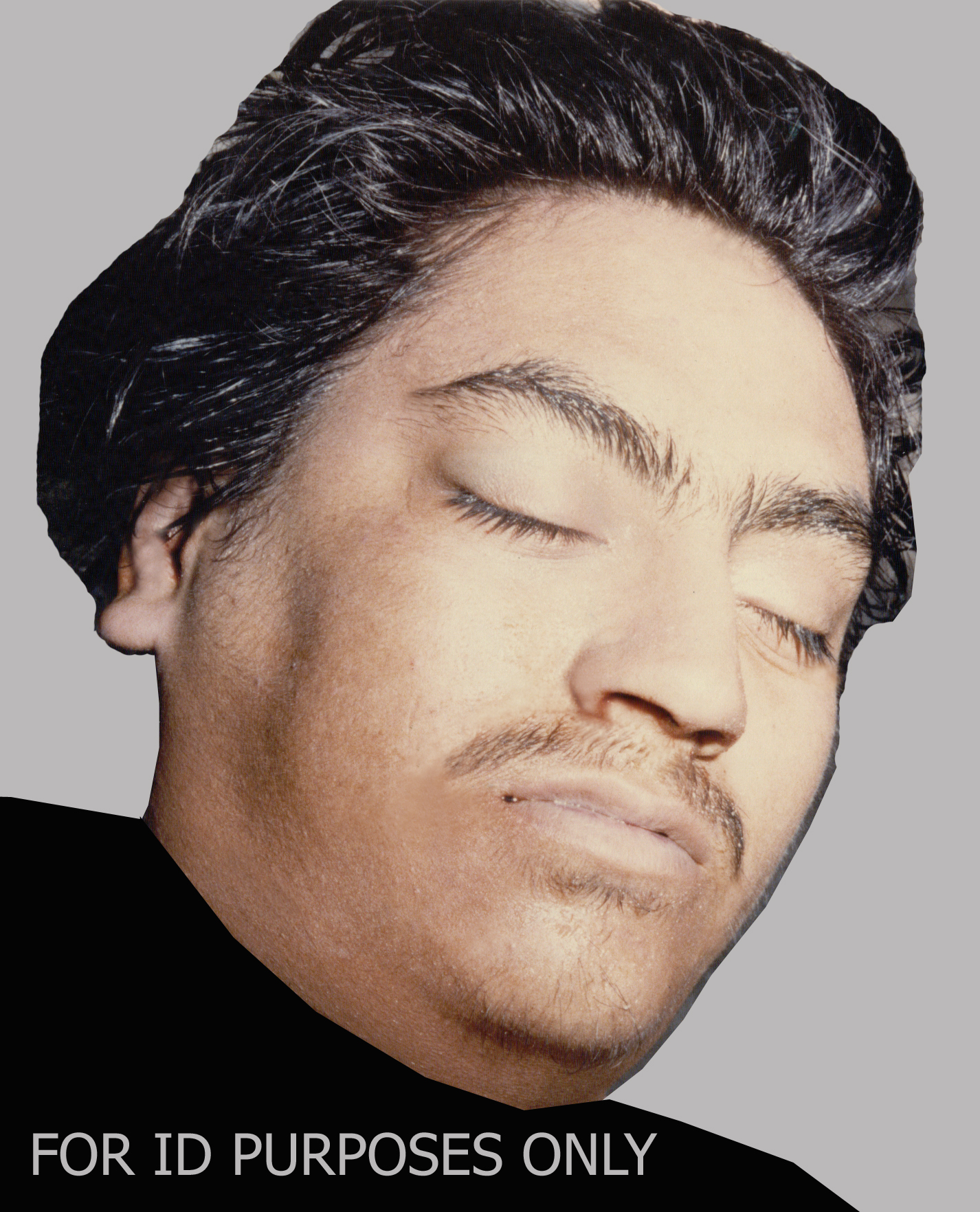
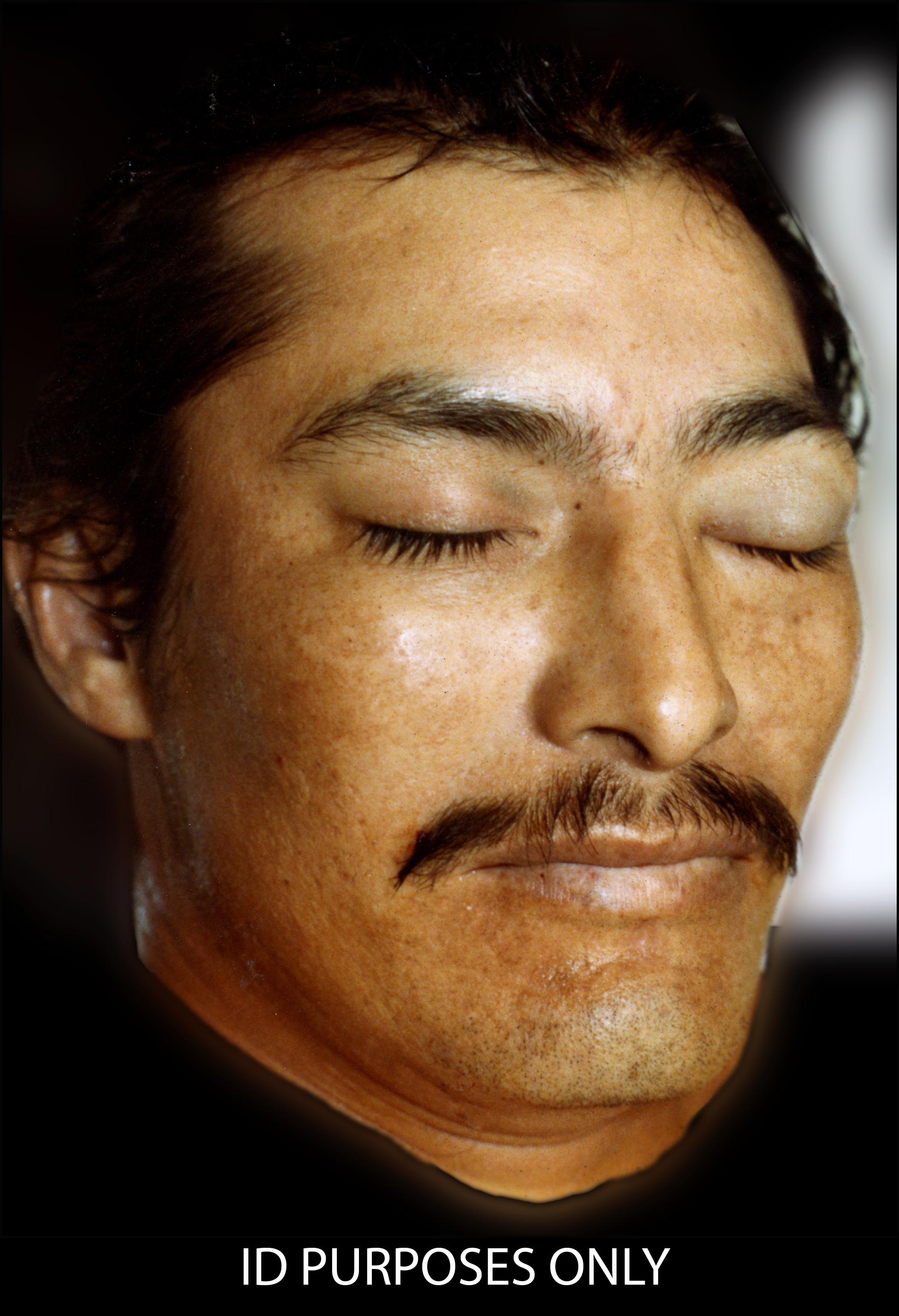
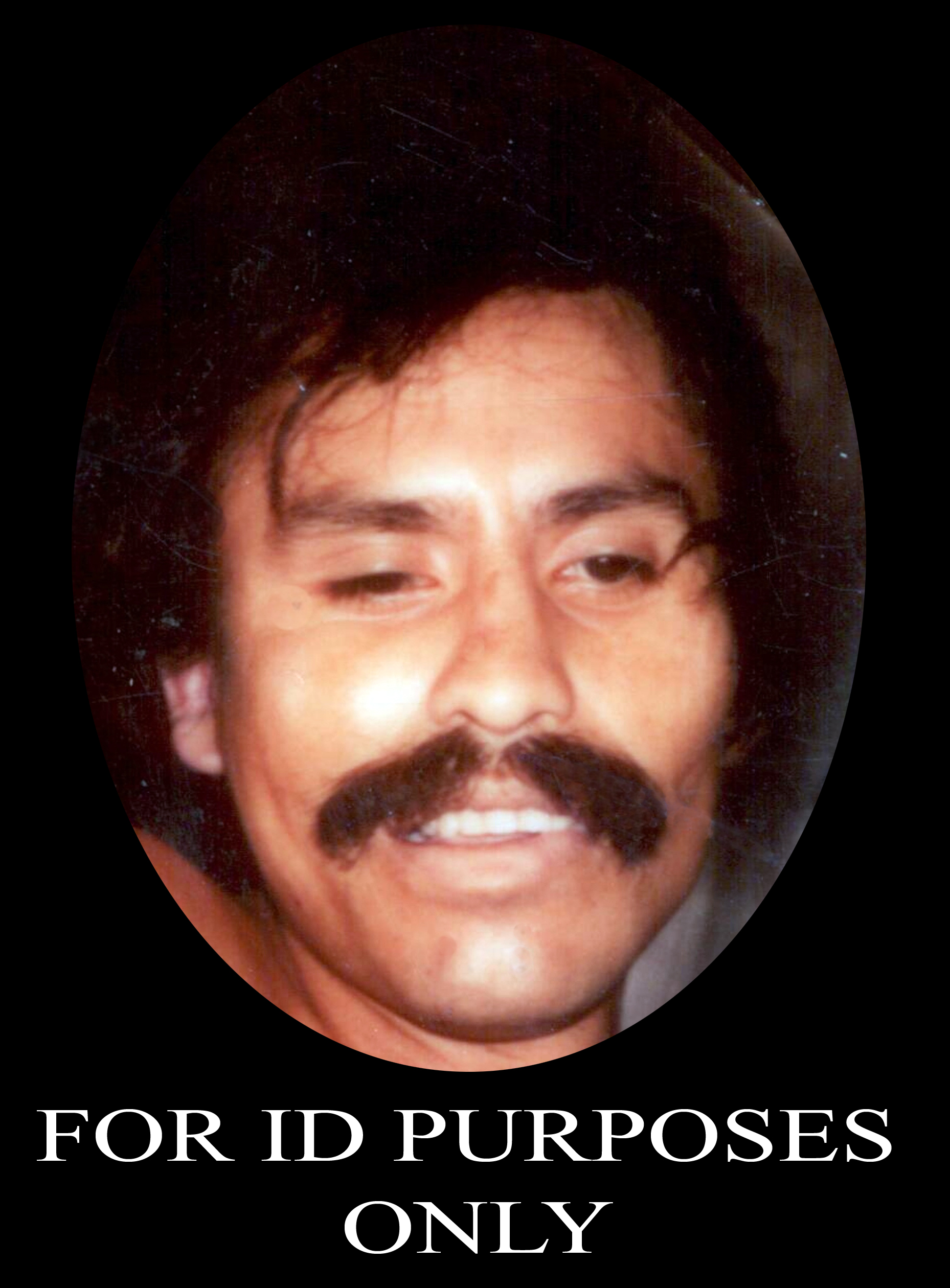
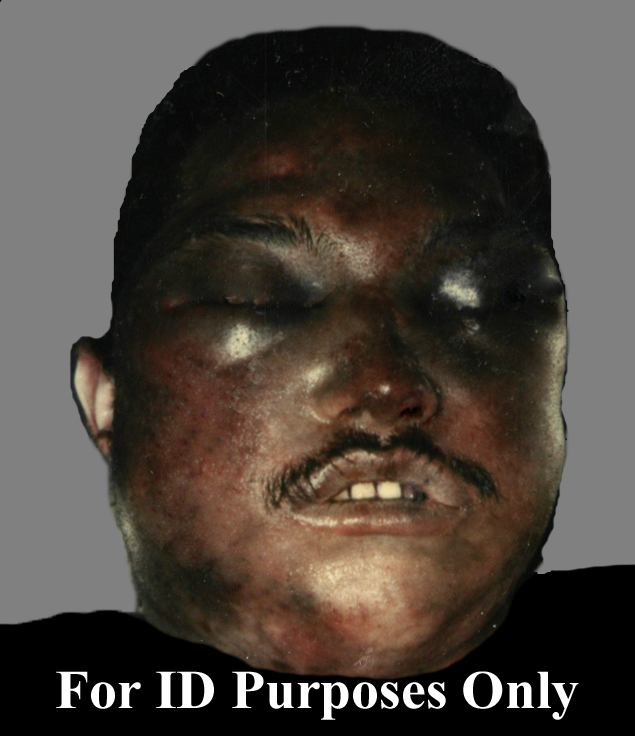
Richard Ernest Medley was 27 years old when he was last seen on December 28, 1978, in Houston, Harris County, Texas, beginning a disappearance that would leave his family searching for answers for decades. Richard was a Hispanic/Latino and White male who stood approximately 5 feet 6 inches tall, weighed around 165 pounds, and had black hair and brown eyes. Although some publicly available missing-person records incorrectly list January 1, 1978, as his last-contact date, his actual last-seen date was December 28, 1978. The circumstances surrounding that day remain largely undocumented, with no publicly confirmed account identifying his precise location in Houston, the individuals he may have encountered, or what he was doing immediately before he vanished. Information about the clothing he was wearing, whether he had access to a vehicle, and whether he had communicated plans to travel has not been established.
His disappearance occurred just days after Christmas, and what happened during those final days of 1978 remains a mystery. There are no publicly verified reports establishing that Richard voluntarily left the area, suffered an accident, or encountered someone who intended to harm him. Whatever happened after he was last seen, his disappearance would eventually become a decades-long ordeal for relatives determined to learn what had happened to him.
Richard's personal history reveals a complicated family background that would later play an important role in efforts to locate him. According to information publicly shared by a verified family member, Richard was born Earnest Brown and was known as "Ernie" before being adopted and receiving the name Richard Ernest Medley. He and four of his siblings were adopted from the DePelchin Faith Home in Houston, with the children placed among four different adoptive families. Two of his sisters were reportedly kept together, while the other siblings were separated through their respective adoptions. These circumstances created an extended family network involving both biological and adoptive relatives, some of whom would later participate in efforts to establish Richard's whereabouts. His daughter began searching for him in 1996, approximately eighteen years after he disappeared. Her efforts represented a personal determination to discover what had happened to her father and to fill a painful absence in her family's history. According to the family member's account, surviving relatives from both sides of Richard's family were unable to explain his disappearance or provide information establishing where he had gone. The lack of answers made an already difficult search even more challenging, particularly because so much time had passed and the people who might have remembered his movements in December 1978 were becoming increasingly difficult to identify or contact.
One potentially troubling account surfaced during the family's efforts to reconstruct Richard's disappearance. In 2017, his daughter reportedly spoke with a former girlfriend who claimed to have heard a rumor that Richard had been shot and killed somewhere in Houston. The former girlfriend was unable to provide an approximate year for the alleged shooting, leaving the family without a meaningful timeline or a specific incident that investigators could readily examine. The information was secondhand and has not been publicly corroborated by an official police report, identified eyewitness, recovered remains, or other independently verified evidence. Consequently, there is no established basis for concluding that Richard was murdered or that the reported shooting actually occurred. Nevertheless, the account raised another disturbing possibility for his relatives, who were already attempting to understand a disappearance surrounded by very little documentation. In historical missing-person investigations, information passed between former acquaintances can occasionally provide valuable leads, but such accounts must be carefully distinguished from confirmed evidence. Without a location, incident date, or reliable description of the alleged circumstances, the rumor remains unverified. For Richard's daughter and extended family, it represented another unanswered question rather than a resolution to the mystery that had followed them for so many years.
As the search continued, the investigation came to involve the Houston Police Department, which maintains the case under reference number 1196718-17. Official case documentation identifies September 20, 2017, as a reporting date associated with the investigation, nearly thirty-nine years after Richard was last seen. This date does not necessarily establish when his disappearance was first brought to the attention of authorities, but it reflects the later formal documentation of the case. An important aspect of the investigation has involved the collection and preservation of DNA reference samples from Richard's biological relatives. Samples from his brother and daughter have been processed through the University of North Texas Center for Human Identification, providing genetic information that could assist in future identification efforts. These samples are particularly significant because they allow investigators to evaluate potential biological relationships between Richard's family and unidentified human remains recovered in other investigations. DNA technology has transformed the investigation of historical disappearances, offering opportunities to identify individuals whose identities could not previously be established through fingerprints, dental records, or personal belongings. Although the availability of familial DNA does not indicate that Richard's remains have been located, it provides an important investigative resource should a possible match emerge. The participation of his relatives in this process also demonstrates their continued commitment to finding answers, even after decades of uncertainty.
Despite these investigative resources, important details about Richard's disappearance remain unknown. There is no publicly confirmed account describing his last conversation, the circumstances under which he left his last known location, or whether anyone witnessed an event that might explain why he never returned. No specific suspect has been publicly identified in connection with his disappearance, and the available information does not establish that a criminal act occurred. The passage of time presents substantial challenges, including the possible loss of records, fading memories, and the difficulty of locating people who may have known Richard in Houston during the late 1970s. However, even decades-old information can become significant when combined with modern investigative techniques, particularly if someone recalls an encounter, conversation, or incident that was never previously reported. Anyone possessing credible information concerning Richard's whereabouts or the circumstances surrounding his disappearance is encouraged to contact the Houston Police Department and reference case number 1196718-17. For his daughter, biological siblings, adoptive relatives, and everyone who has sought answers, the mystery represents far more than an unresolved entry in a missing-person database. Richard Ernest Medley's case centers on a young man who was last seen in Houston on December 28, 1978, and whose subsequent whereabouts have never been conclusively established. His family has spent decades attempting to uncover the truth, confronting uncertain accounts, limited historical documentation, and the possibility that someone may still possess information capable of explaining what happened. Until credible evidence establishes his fate, his disappearance remains an enduring mystery and a reminder of the families who continue searching for answers long after their loved ones have vanished.Last Seen: Dec 28, 1978